What is a CRM System?
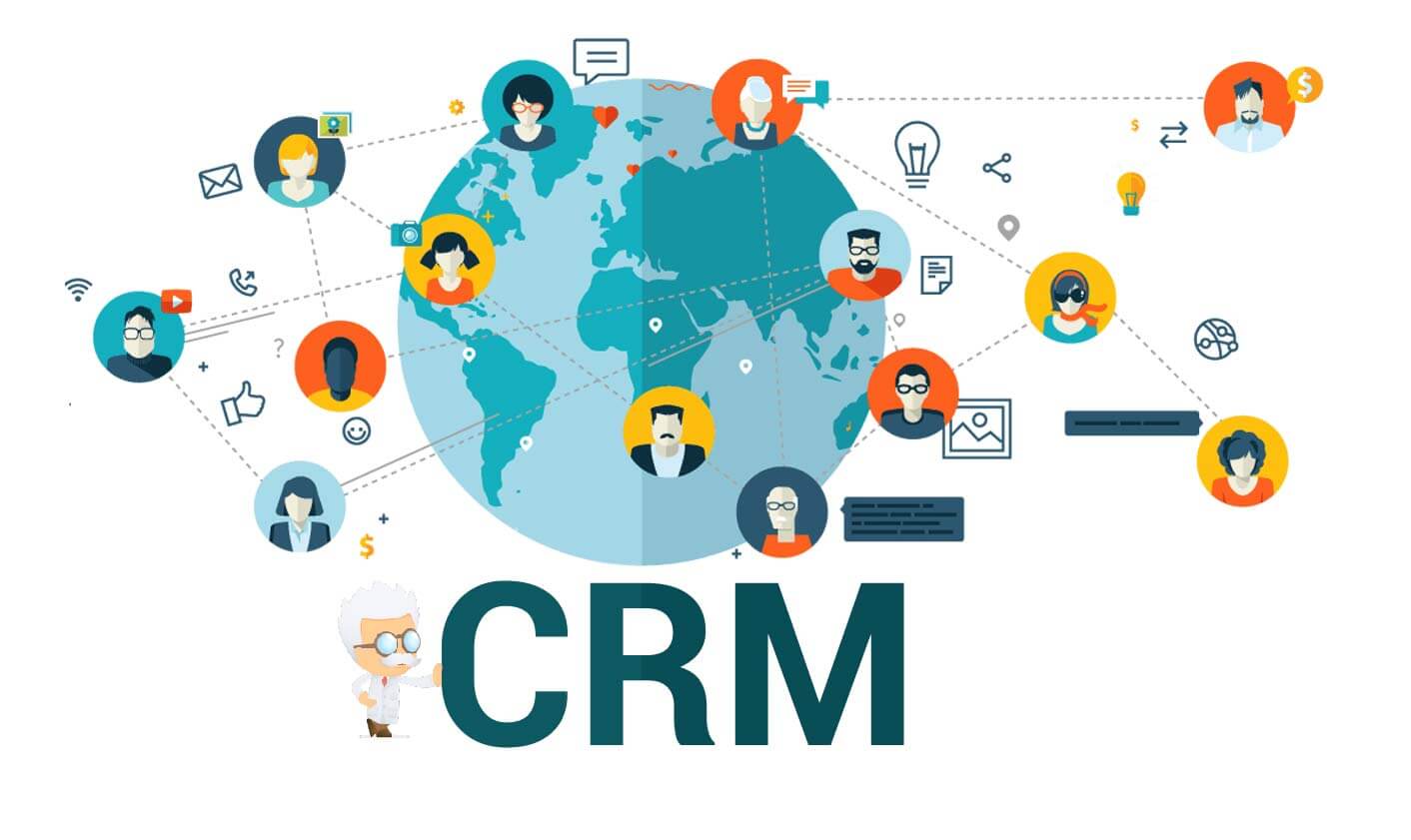
CRMstands for Customer Relationship Management and the basic reason for any business to use a CRM system is to help manage business communications. Still, Contact can be used instead of Customer to change the mindset to a business tool rather than a sales tool. The simple core of any CRM system is about maintaining a record of contact with people with who you communicate and the core of your communications is with your customer. There is a benefit to bringing all communication with customers, suppliers, and partners into a single view for your business. The system collects the flow of data within your business and displays the data all in one place.
The power of CRM Systems
Many CRM systems have the core records for Customer and Contact but we like to think of customers as Account to allow for flexibility in the relationships being tracked. The Account is the business, and you can store information about the business there. The stored information would include turnover, sector, size, website, address, and any other information that you feel appropriate. The Contact records are the people who you have contact with and they are associated with an Account or Accounts. The Contact record will hold information about the person, things like their email address, mobile number, and title as they are specific to the person. In the case of the Account, you may wish to store additional information specific to the person which may include linkages to other people in their or other businesses.
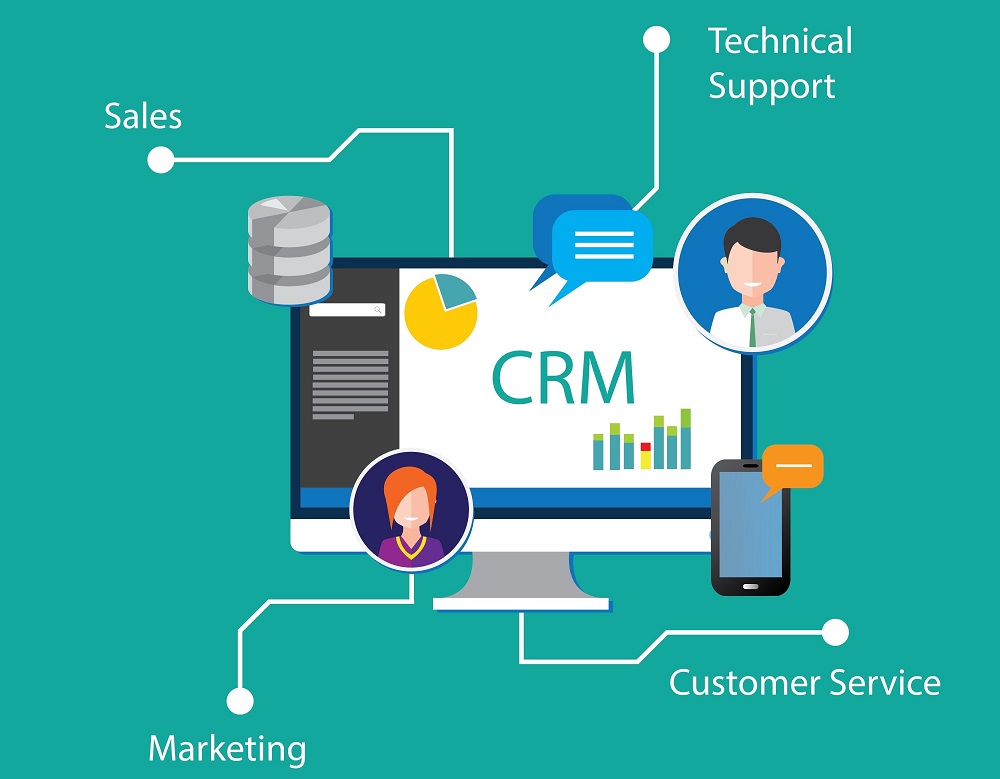
The real power of a CRM system is that you can keep a record of the calls, emails, meetings, and tasks that you have with your business Contacts and allow these to be shared within the team. CRM systems should fit naturally within your business processes with activities being filed against the person automatically to create a history of contact. CRM systems should allow activities to be forward planned so you do not forget that promised follow-up call. You should be able to assign tasks to different people within your team and keep track of their progress.
What CRM System works for you?
There are literally 1,000s of CRM systems on the market but which should you choose and why are there so many? The main challenge in implementing any CRM system into a business process is that these processes change from one business in one sector but also between sectors. Whilst there are common business processes like sales and support that businesses can follow across any sector; we find that every business has its own nuances of that process and some unique processes of its own. In addition to different processes, each sector and business will need to capture its own unique data. Managing this unique data can be made simpler as there are CRM systems for sectors, specific processes, and even for system integration so flexibility is key to any decision process when choosing a CRM system.
You may have also heard of ERP (Enterprise Resource Planning) systems. ERP systems are holistic data systems that typically include finance and manufacturing. The more popular choice for many businesses is to choose to keep the system to sales and support and as a result, just focus on CRM.
Integration of your CRM System
We often take recommendations from other businesses of what they use and whilst they may be in the same sector, their data systems and processes may be different and so the same CRM system may not work for your business. Another area where we find CRM system selection is becoming more challenging is integration with other data systems and more businesses are consuming cloud-based data services. To capitalise on the data sharing, the chosen CRM system must easily integrate with your existing or planned data systems.
We would advocate that you look for a CRM system that offers no less than 60% of your core functionalities with little implementation effort. The balance of your requirements will be met through either more complex implementation work in the CRM system or through you adapting your business processes to align with the CRM system. The level of implementation works will dictate the implementation cost and the delivery timescale. Keeping this in mind, you should choose a partner who can demonstrate knowledge and experience in your chosen CRM system, this is so they may assist with aligning your business and the new system.

Free and paid CRM Systems
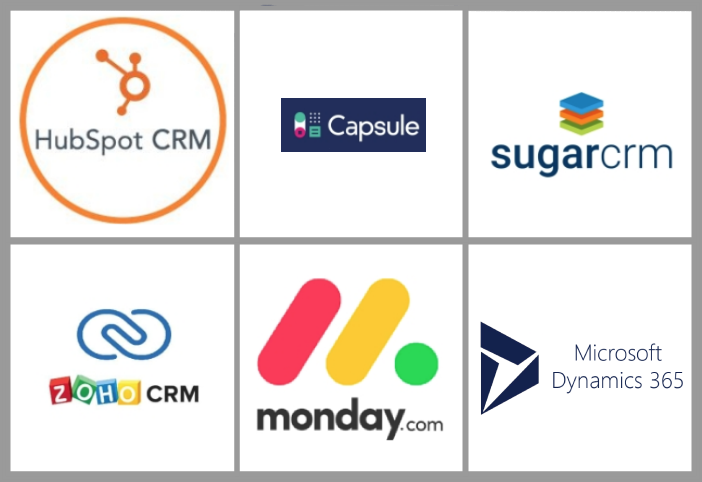
Very good CRM systems are out there that offer free plans like SugarCRM, ZohoCRM, HubSpot-CRM, Capsule, Monday-CRM, and Freshworks-CRM. Nonetheless, these CRM systems usually come with restrictions on the number of contacts, users, or terms with the step up to the next level being high. In addition to the paid-for plans for the free services, you can choose CRM systems like Salesforce, Dynamics 365, NetSuite, Sage, and SAP. Whilst many would consider these being too expensive, they offer higher levels of customisation and easy integration. However, they do have more complex licensing models and as a result, may seem more expensive but this may not turn out to be the case.
In conclusion
We advocate that CRM systems are not and should not be your business process. They should form a critical part of your business processes with you choosing how much of those processes that you want to be driven by the CRM system. We would suggest that the tighter your business processes are aligned and managed by the CRM system then the greater the efficiency you can achieve, this may compromise flexibility and will probably increase delivery and ongoing cost.
If you’re interested in talking about CRM systems or interested in how we can assist with a Dynamics 365 CRM system implementation, then please get in touch.
This blog was written by our Managing Director, David Massey.